Volatile times are ahead, but fat paychecks are ahead for some, too. | Image by PhoneArena
The more gentle and sensitive among us might be tempted to sympathize with corporations who have to deal with shockingly expensive memory chip prices. But, as always, some companies will use a crisis to make an absurd amount of money – this is valid for any kind of crisis.
While you and I will pay more for phones, tablets and all kinds of consumer electronics (Samsung's Galaxy S26 already landed a month ago with a $100 higher price tag), those that make memory chips – like Samsung itself – might report record-breaking revenue and profits.
Recommended For You
That is, until they have enough raw materials to make such chips and until the global supply chains don't completely break down.
The sixfold increase
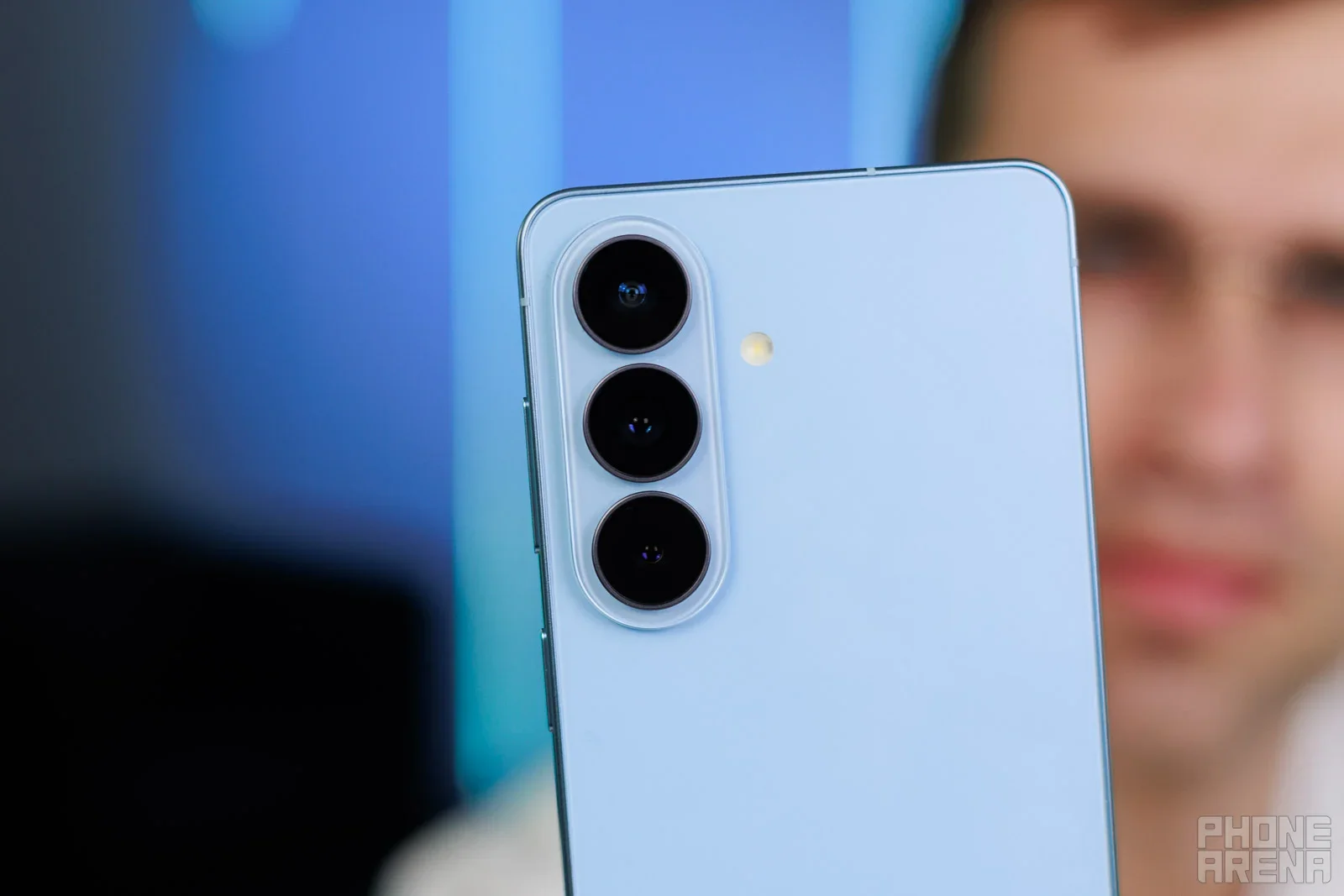
The Galaxy S26 is already $100 more expensive. | Image by PhoneArena
There's a new report by Reuters that cites estimated data from dozens of analysts. Driven by the "unprecedented supercycle" for memory chips, which common people cleverly dub "The RAMpocalypse", Samsung Electronics might report a six-fold jump in operating profit for Q1 (the first three months of 2026).
The AI craze is as hot as ever and the outcome for Samsung might be such that the company pockets almost the same amount of money in Q1 as it did for the whole previous business year.
Recommended For You
You can choose only one:
How did it do in 2025?
The RAM craze started in late 2025, but, apparently, there wasn't enough time for Samsung to break its record.
So last year, Samsung reported ~44 trillion won ($29.2 billion), while it's expected that the Q1 2026 profit might be over 40 trillion won.
Ko Yeongmin, analyst at Daol Investment & Securities, says that "you couldn't ask for things to be better". Yeah, but I don't have any Samsung stocks, so I definitely can ask for things to be better and for me (and I guess for you, too) it would be better if phones got cheaper and not the other way around.
But there's uncertainty
Even with profits expected to surge, uncertainty is beginning to creep into the outlook. Much of the attention now shifts to how geopolitical tensions, particularly the ongoing conflict in the Middle East, could disrupt Samsung's momentum by increasing energy costs and threatening the supply of key materials needed for chip production.
At the same time, there are early signs that the explosive growth in memory prices may not be entirely stable.
Device makers have already raised prices for smartphones and computers, which is starting to weigh on consumer demand, while new efficiency-focused technologies like Google's TurboQuant are adding pressure by reducing the need for as much memory.
Demand is high
Demand for memory chips continues to outpace supply, and production capacity is not expected to catch up anytime soon, keeping long-term prospects strong. Samsung is also adapting by locking in longer-term contracts with major clients to stabilize demand and reduce exposure to sudden market swings.
Outside of memory, however, the picture is less optimistic. Other divisions, including chip manufacturing services, smartphones and displays, are facing weaker profitability due to rising costs and intense competition, while additional pressure could come from labor disputes at home.
Sebastian, a veteran of a tech writer with over 15 years of experience in media and marketing, blends his lifelong fascination with writing and technology to provide valuable insights into the realm of mobile devices. Embracing the evolution from PCs to smartphones, he harbors a special appreciation for the Google Pixel line due to their superior camera capabilities. Known for his engaging storytelling style, sprinkled with rich literary and film references, Sebastian critically explores the impact of technology on society, while also perpetually seeking out the next great tech deal, making him a distinct and relatable voice in the tech world.
A discussion is a place, where people can voice their opinion, no matter if it
is positive, neutral or negative. However, when posting, one must stay true to the topic, and not just share some
random thoughts, which are not directly related to the matter.
Things that are NOT allowed:
Off-topic talk - you must stick to the subject of discussion
Offensive, hate speech - if you want to say something, say it politely
Spam/Advertisements - these posts are deleted
Multiple accounts - one person can have only one account
Impersonations and offensive nicknames - these accounts get banned
To help keep our community safe and free from spam, we apply temporary limits to newly created accounts:
New accounts created within the last 24 hours may experience restrictions on how frequently they can
post or comment.
These limits are in place as a precaution and will automatically lift.
Moderation is done by humans. We try to be as objective as possible and moderate with zero bias. If you think a
post should be moderated - please, report it.
Have a question about the rules or why you have been moderated/limited/banned? Please,
contact us.














Things that are NOT allowed:
To help keep our community safe and free from spam, we apply temporary limits to newly created accounts: