This article may contain personal views and opinion from the author.
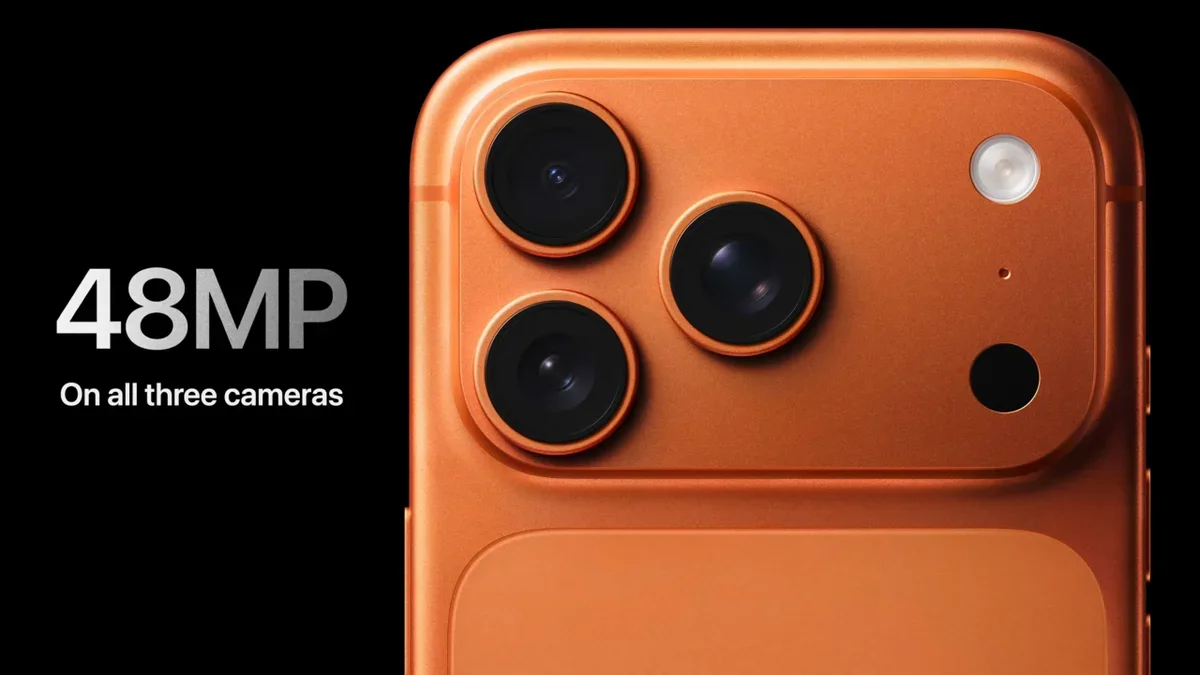
The iPhone 17 Pro Max already made history. | Image by Apple
The iPhone 17 Pro Max was born on September 19, 2025, and 200 days later, it's once again in the limelight.
That's exceptionally rare for a phone today – brands spit out new handsets faster than we go from one historic event to the next (which is another way of saying: non-stop). Hence, phones – even flagships – quickly lose their sex star appeal. That usually happens in a matter of 2 to 4 months.
That's not the case with the iPhone 17 Pro Max, though. I'd say that today, more than half a year later, Apple's biggest and baddest flagship is hotter than ever.
Recommended For You
It took 695,081 miles to reach that superstar status. Oh, and a trip to the Moon.
Finally, something positive
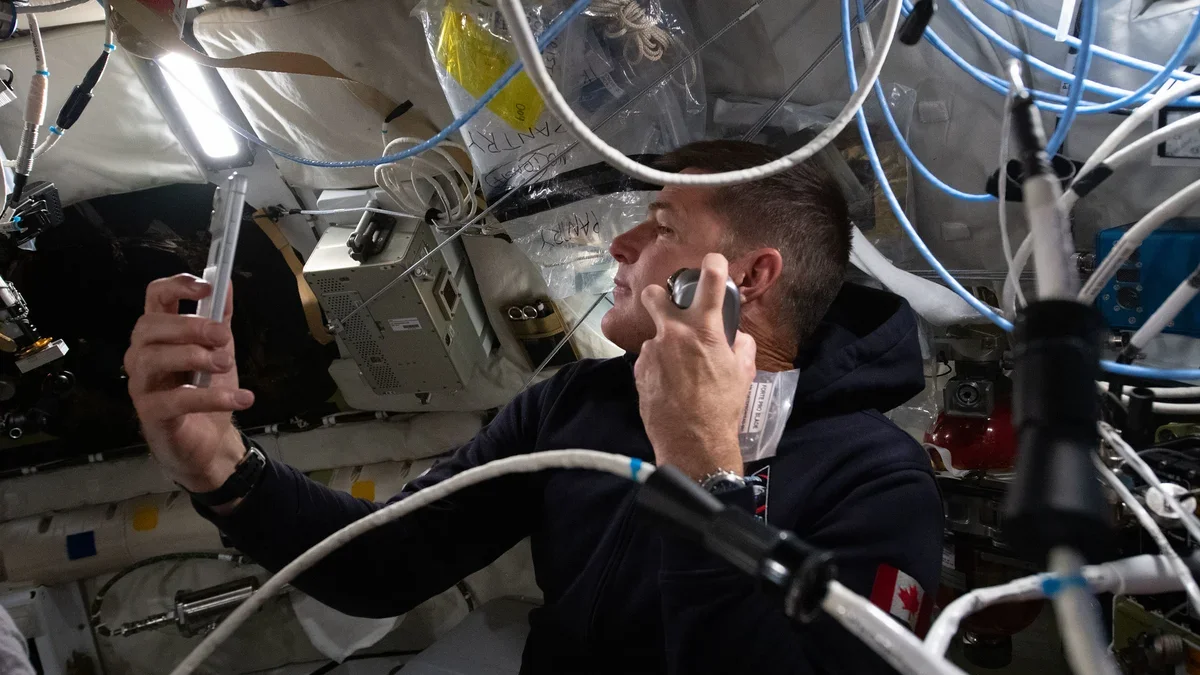
Astronaut Jeremy Hansen uses an iPhone 17 Pro Max during the Artemis II mission. | Image by NASA
Right now, space remains one of the one or two things that don't divide and polarize people.
Sure, there are a handful of people who'd want to see the space budget money go towards dealing with pressing issues back here on Earth. But these space objectors are a tiny minority; virtually everyone else – not simply space nerds – is thrilled at the idea of humans exploring the Ultimate Unknown.
And right in the middle of it all with the Artemis II mission your brain locks onto something much more ordinary. The iPhone 17 Pro Max mingled with astronauts and spacecrafts.
Recommended For You
A huge win
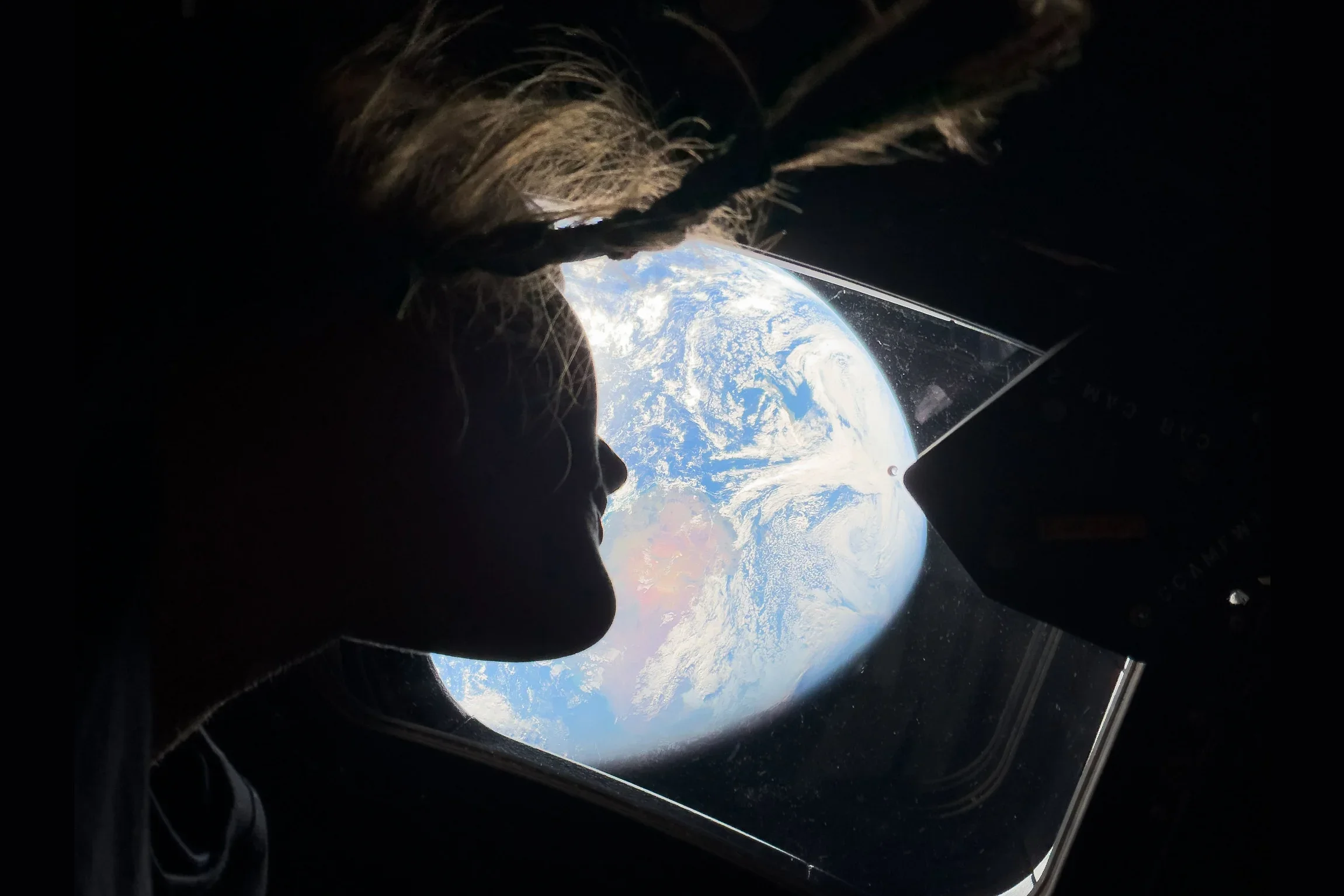
Selfie taken from space with planet Earth in the background. | Image by NASA
The more I think about it, the less this feels like a quirky detail and the more it looks like one of the most effective, almost accidental advertisements ever created.
That's quite something, since I personally find the majority of Apple (video) ads to be insufferable. I know that Apple has mastered the art of convincing people to buy its stuff, but they often drive off to the realm of insufferable corporate moralizing. What could (and should) be a product showcase is more often than not a patronizing lecture on how to live "correctly".
But this time, there was no moral finger waving at the consumer, no holier-than-thou moments.
Maybe it's because this isn't an Apple ad, since there were no marketing campaigns and no partnerships.
Why did NASA choose the iPhone?
We got reports that NASA didn't casually toss these devices onboard.
The approval process alone reads like something designed to eliminate anything remotely unnecessary. Four phases, each one methodical: present the hardware, identify every possible hazard, engineer solutions, then prove those solutions hold under space conditions.
The Artemis II crew a sealed capsule where even a small failure can escalate quickly. Glass shattering isn't just damage, it's debris floating indefinitely in microgravity. And yet, a mass-market smartphone made it through that filter.
I also believe that the fact that the iPhone is a US creation also helped.
The iPhone 17 Pro Max glory moment
This phone is no longer just a consumer product competing on camera specs and battery life (where many rivals dominate it). It's something that has been stress-tested, indirectly, against one of the harshest operational environments humans deal with.
And what do the astronauts do with it? They take photos of each other. They take photos of Earth. At one point, they use the front-facing camera to capture themselves with the entire planet behind them.
The contrast with earlier space missions is hard to ignore. During the Apollo era, photographing Earth required specialized cameras, carefully handled and operated with intention. The images were iconic, but the process was distant, almost ceremonial.
It's about association
That's where the advertising effect really comes into focus.
Space, as a concept, still carries a kind of universal weight. It appeals across age groups, across interests. Kids see adventure. Adults see perspective, scale, maybe even a bit of nostalgia for a time when space exploration felt like the frontier of everything.
So when a device that already sits in millions of pockets shows up in that environment, it inherits some of that weight.
So if your kid asks for an iPhone 17 Pro Max out of the blue, don't be alarmed – you can thank the Artemis II crew for that.
The bar is raised
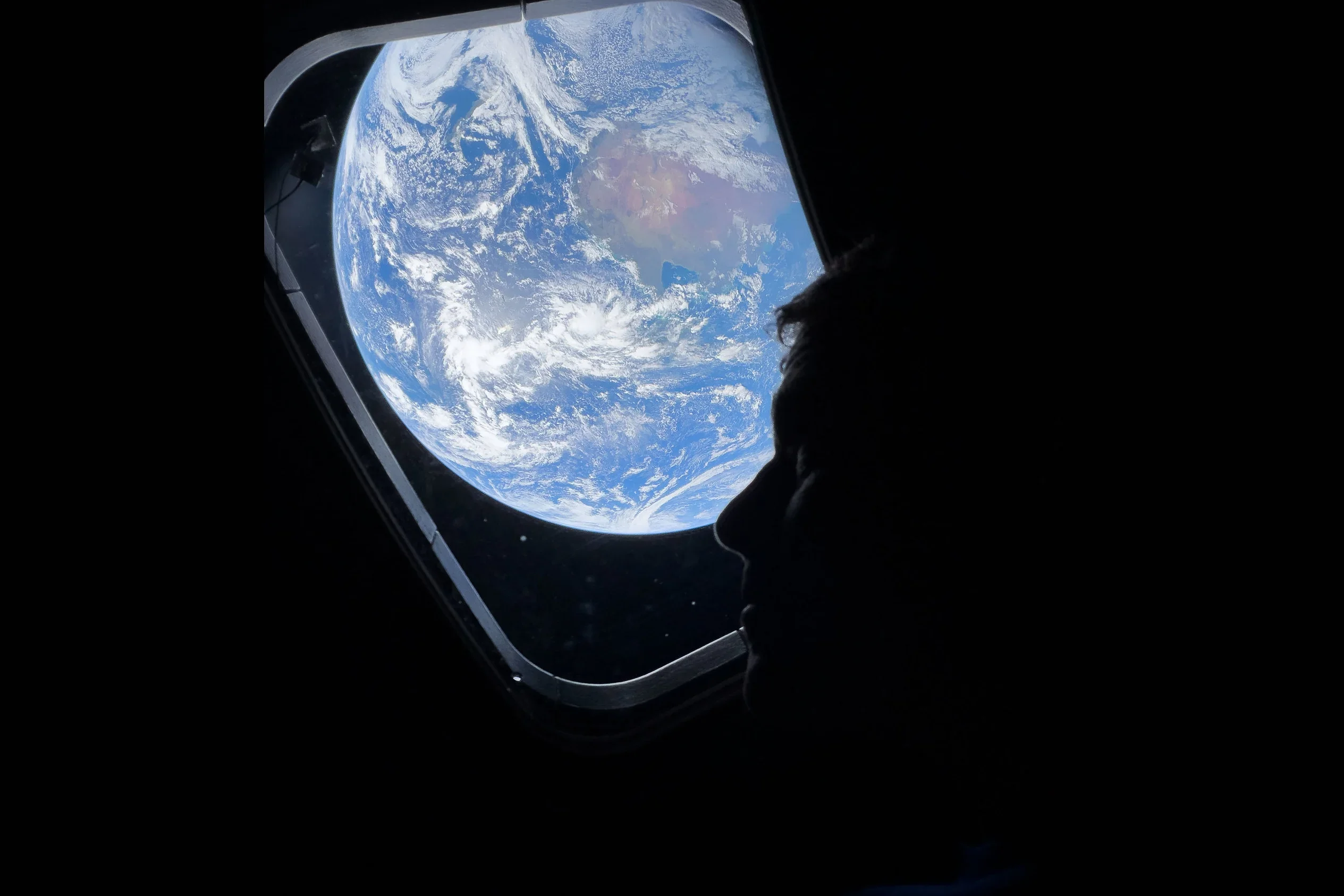
Selfies in space are fun. | Image by NASA
Apple rivals can simulate environments, build elaborate campaigns, even send devices to extreme locations. But a crewed mission beyond Earth orbit, under NASA's oversight – that combination is rare to the point of being singular.
So the whole thing just demonstrates that something designed for everyday use can operate, without much fuss, in a setting that most people will never experience firsthand.
Sebastian, a veteran of a tech writer with over 15 years of experience in media and marketing, blends his lifelong fascination with writing and technology to provide valuable insights into the realm of mobile devices. Embracing the evolution from PCs to smartphones, he harbors a special appreciation for the Google Pixel line due to their superior camera capabilities. Known for his engaging storytelling style, sprinkled with rich literary and film references, Sebastian critically explores the impact of technology on society, while also perpetually seeking out the next great tech deal, making him a distinct and relatable voice in the tech world.
A discussion is a place, where people can voice their opinion, no matter if it
is positive, neutral or negative. However, when posting, one must stay true to the topic, and not just share some
random thoughts, which are not directly related to the matter.
Things that are NOT allowed:
Off-topic talk - you must stick to the subject of discussion
Offensive, hate speech - if you want to say something, say it politely
Spam/Advertisements - these posts are deleted
Multiple accounts - one person can have only one account
Impersonations and offensive nicknames - these accounts get banned
To help keep our community safe and free from spam, we apply temporary limits to newly created accounts:
New accounts created within the last 24 hours may experience restrictions on how frequently they can
post or comment.
These limits are in place as a precaution and will automatically lift.
Moderation is done by humans. We try to be as objective as possible and moderate with zero bias. If you think a
post should be moderated - please, report it.
Have a question about the rules or why you have been moderated/limited/banned? Please,
contact us.






Things that are NOT allowed:
To help keep our community safe and free from spam, we apply temporary limits to newly created accounts: